Clothing Alterations That Usually Change the Fit Most
Prioritize clear, reachable adjustments and recognize when the garment needs a different base shape.
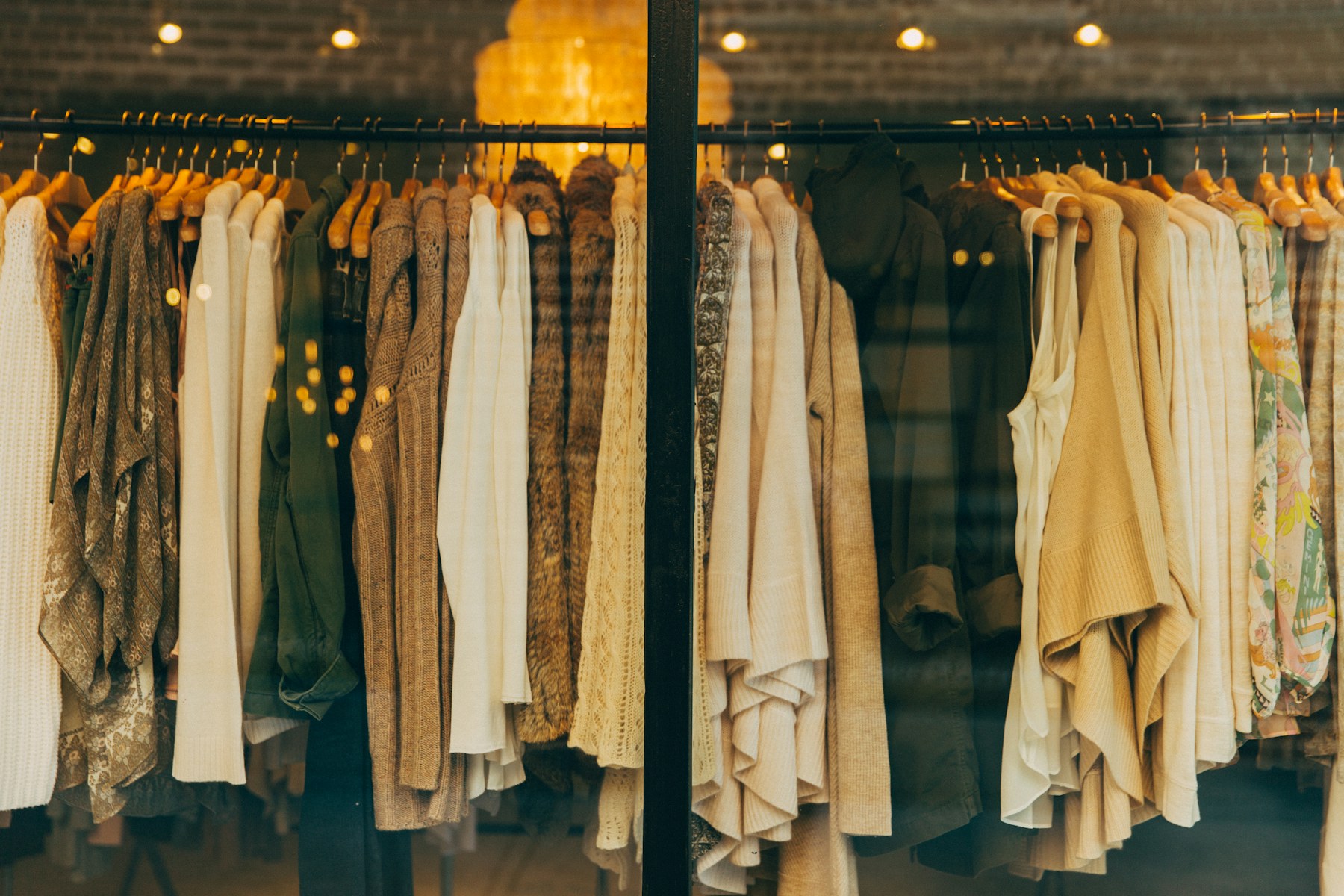
Alterations are most useful when the garment already fits at its structural points. Hem length, sleeve length, and modest waist shaping can transform wearability; rebuilding shoulders or changing the entire rise is a different level of work.
Begin with structural fit
For jackets, inspect shoulders, armholes, and chest balance. For trousers, begin with rise and seat. If those areas are fundamentally wrong, a different cut or size is often a cleaner solution than extensive reconstruction.
Rank changes by repeat wear
A simple hem on trousers worn twice a week may deliver more value than a complicated alteration on an occasional piece. Bring the intended shoes and layers to the fitting so the adjustment matches real use.
Ask what cannot be reversed
Discuss seam allowance, original finishes, pattern matching, and whether fabric will show old stitch marks. Confirm the final measurement before material is removed.
Before you choose
- Structural fit already works
- Alteration cost compared with replacement
- Shoes or layers brought to fitting
- Final length marked while worn
- Irreversible changes confirmed
Send the page title and source to our editorial contact. Material corrections are dated in the article.
Contact editorial