Use Size Charts and Return Terms Together When Shopping Online
Compare garment measurements, model information, fabric behavior, and return conditions before choosing a size.
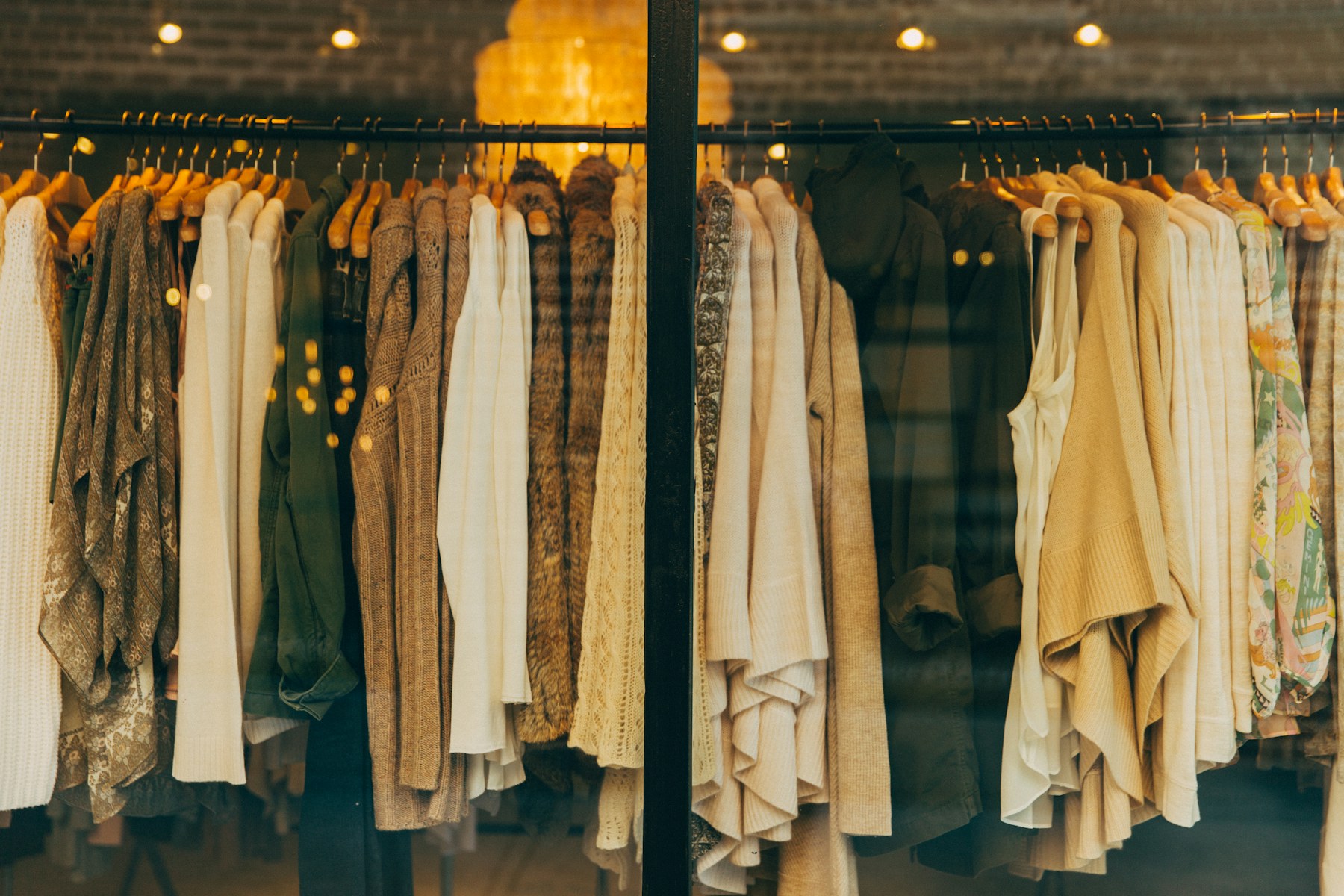
Online sizing is a decision under uncertainty. A familiar letter size may change across brands and even between products from one brand. The strongest approach combines your measurements, a comparable garment, product-specific dimensions, intended ease, and a clear understanding of what happens if the choice is wrong.
Measure a garment that already works
Choose a similar item and measure it flat using the seller's method where available. Body measurements and finished-garment measurements are not interchangeable, so identify which kind the chart provides.
Record the comparable garment's fabric and fit. A rigid woven trouser and a stretchy knit trouser with the same flat width can feel very different.
Read the product page for ease clues
Use model height and worn size only as context, not a guarantee. Look at stated fit, fabric stretch, rise, length, and reviews that describe measurements rather than unsupported size declarations.
Check whether the dimensions are product-specific or a general brand chart. When unclear, ask the seller before ordering.
Choose based on the hardest-to-alter area
For structured jackets, shoulders and armholes may lead. For trousers, rise and seat often matter before an easily shortened hem. The priority depends on the garment and intended alterations.
Do not plan an alteration until you understand construction and cost. Sizing up can create several new problems while solving one tight area.
Treat returns as part of the purchase
Confirm the return window, shipping cost, restocking rules, condition requirements, original packaging, and refund method before ordering. International returns may add time and expense.
Try the item promptly with appropriate underlayers while keeping tags and condition intact. Document defects according to the seller's process.
Before you choose
- Comparable garment measured
- Body and garment charts distinguished
- Fabric behavior considered
- Hardest-to-alter area prioritized
- Complete return terms read
Send the page title and source to our editorial contact. Material corrections are dated in the article.
Contact editorial