Repeat Outfits Without Feeling Stuck in a Uniform
Keep a reliable silhouette and vary one visible dimension at a time: color, texture, layer, or footwear.
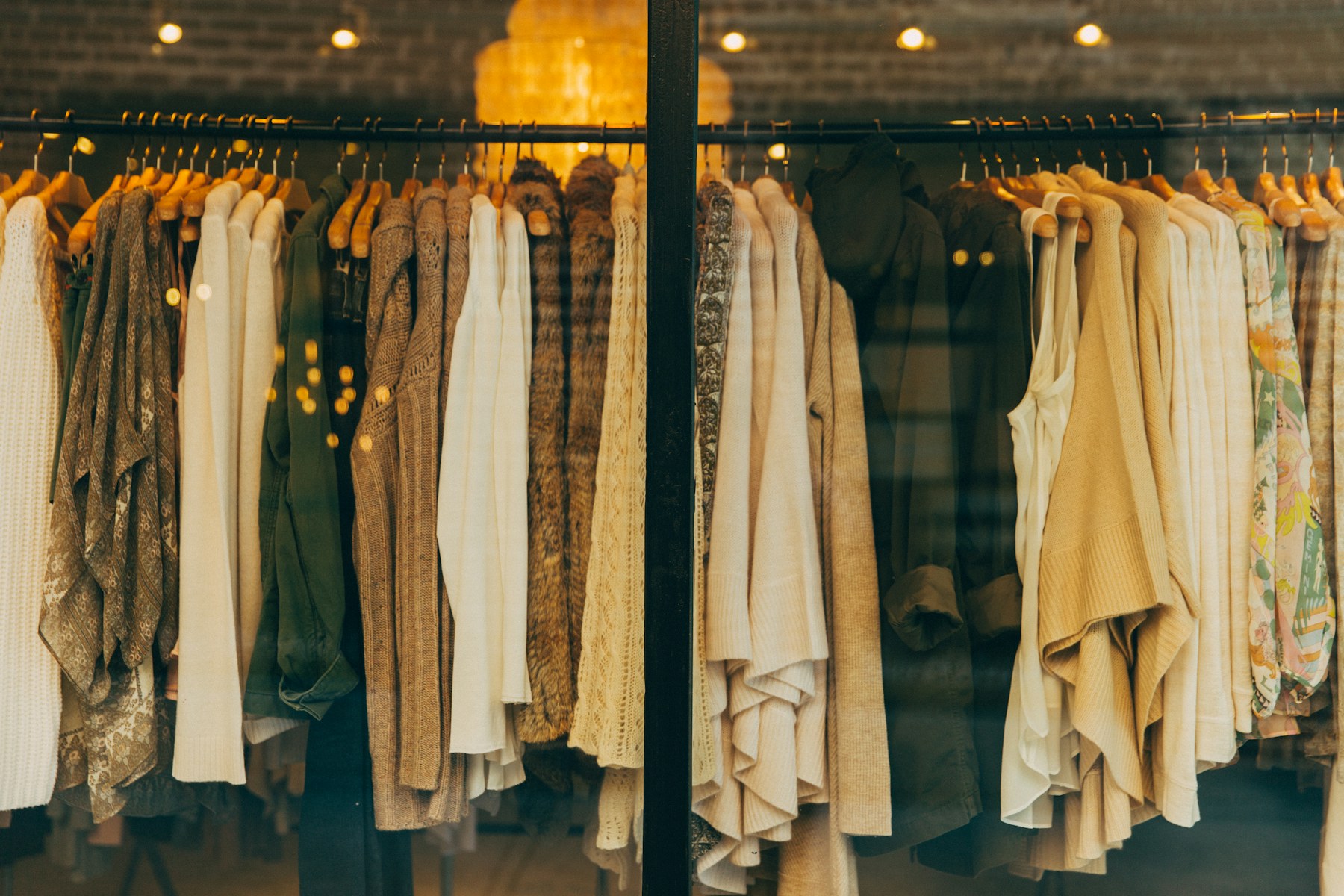
Repeating a successful outfit is efficient, not a failure of creativity. The problem appears when every repeat feels visually identical or no longer suits the day. Small, controlled changes preserve the comfort of a known formula while creating enough distinction.
Protect the part that already works
Identify why the outfit succeeds: perhaps the waist position is comfortable, the jacket balances the trouser, or the shoes support a long commute. Keep that relationship stable while changing something less structural.
Do not rebuild the whole look simply because it has been photographed before. A repeatable wardrobe depends on learning which choices deserve consistency.
Change one visible dimension
Swap a smooth knit for a textured one, a dark top for a lighter value, or a sneaker for a loafer that works with the same hem. One deliberate change is easier to evaluate than several simultaneous substitutions.
Choose changes that remain appropriate for weather and activity. Variety that reduces function will not survive repeated use.
Rotate attention across the week
If Monday changes color, let Wednesday change proportion and Friday change footwear. This prevents every variation from relying on accessories or purchasing more tops.
Photographs can reveal whether the variations are meaningfully different, but comfort notes matter too. Record which version you forgot about while wearing it; that is often the strongest one.
Use repetition to improve buying
A frequently repeated formula shows what cuts and materials support your life. When replacing a worn item, preserve the useful qualities and change only what caused friction.
This evidence is more reliable than a broad trend list. It turns repetition into a source of personal product criteria.
Before you choose
- Successful structural relationship identified
- Only one visible dimension changes at a time
- Variations still match weather and activity
- Comfort notes accompany outfit photos
- Repeat evidence guides replacements
Send the page title and source to our editorial contact. Material corrections are dated in the article.
Contact editorial