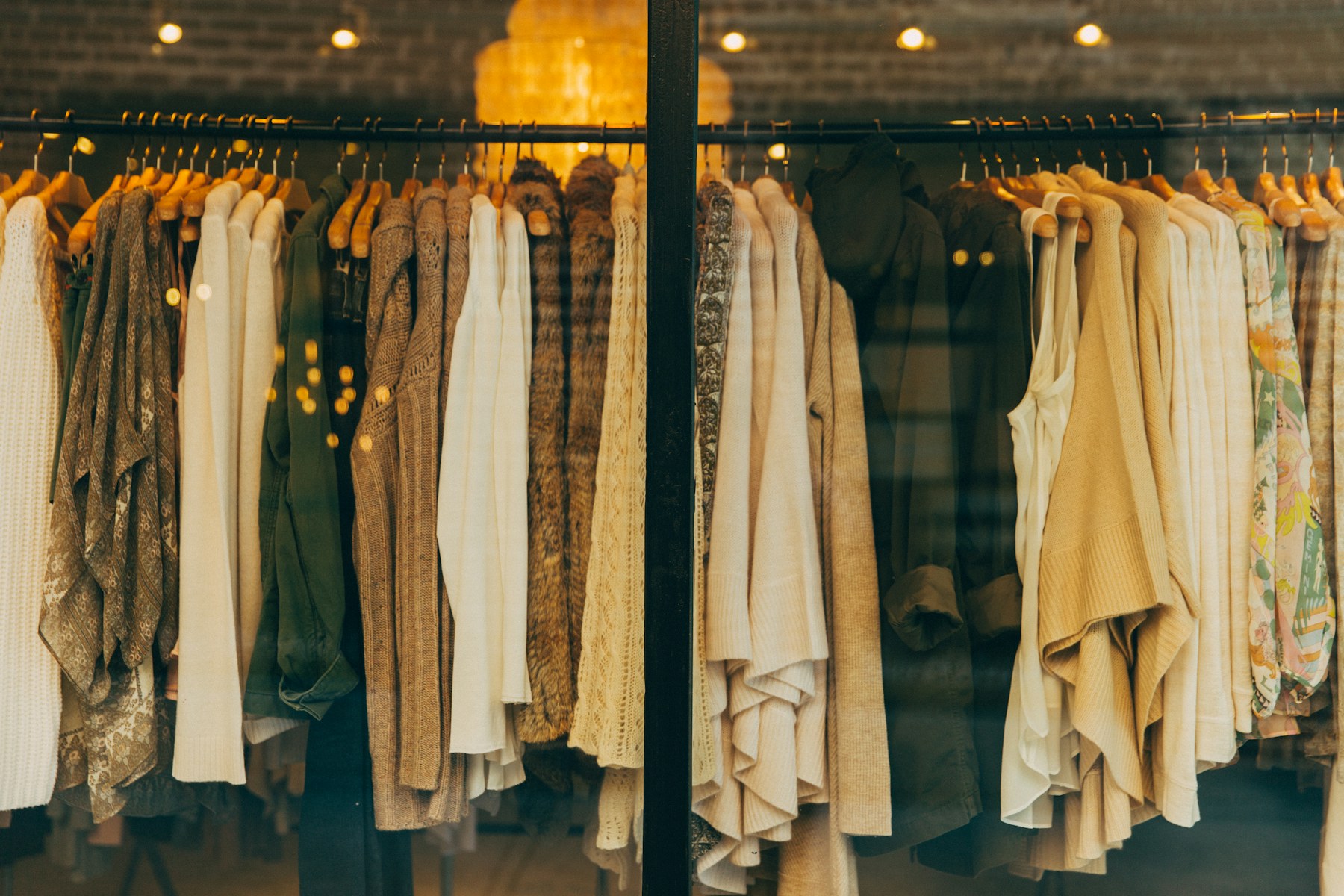
Choose Wool by Weight, Weave, and Setting
Fiber name alone cannot tell you whether a garment suits a heated office, windy commute, or mild shoulder season.

Wool appears in fine suiting, dense coats, soft knits, and many blends. Warmth and comfort depend on more than the label: fabric weight, openness, lining, cut, wind exposure, and the layers around it all matter. Evaluate the complete garment in the conditions where you expect to wear it.
Define the temperature journey
Map outdoor time, transport, and indoor heating or cooling. A garment suitable for long outdoor exposure may become uncomfortable during a warm commute or in a heated room.
Decide whether warmth should come mainly from the wool piece or from removable layers. This affects the useful range of the garment.
Inspect weave or knit density
Hold the material to light and look at surface consistency. A dense woven fabric may resist wind better than an open structure, while a lofty knit can trap air but allow more airflow.
Check high-movement points such as elbows, seat, and cuffs. The way the structure flexes and recovers matters for the garment's job.
Include lining and cut
A lining changes wind resistance, slide over other clothes, and next-to-skin feel. It can also reduce breathability in some situations, so judge the assembled garment rather than the face fabric alone.
Room for layers should not destroy the intended shoulder or sleeve line. Try both the lightest and heaviest realistic combinations.
Confirm care and skin comfort
Wear the garment for several minutes over the base you intend to use. Sensitivity varies, and a pleasant hand feel does not guarantee comfort at the neck, wrist, or waistband.
Read cleaning and storage instructions, including protection from moisture and pests. The maintenance routine is part of the garment's long-term suitability.
Before you choose
- Full temperature journey mapped
- Density inspected
- Lining considered
- Light and heavy layers tested
- Skin contact and care routine accepted
Send the page title and source to our editorial contact. Material corrections are dated in the article.
Contact editorial